Buy, Lease or Rent ATMs in West Virginia | atmswestvirginia.com

Categories
Blogs

How ATMs Support More Sales for West Virginia Businesses

How ATMs Help West Virginia Businesses Capture More Sales

A customer walks into a store planning to purchase one item. While inside, that customer notices a snack, an event ticket, a locally made product, or another small purchase that was not part of the original plan.

The customer is interested—but needs cash.

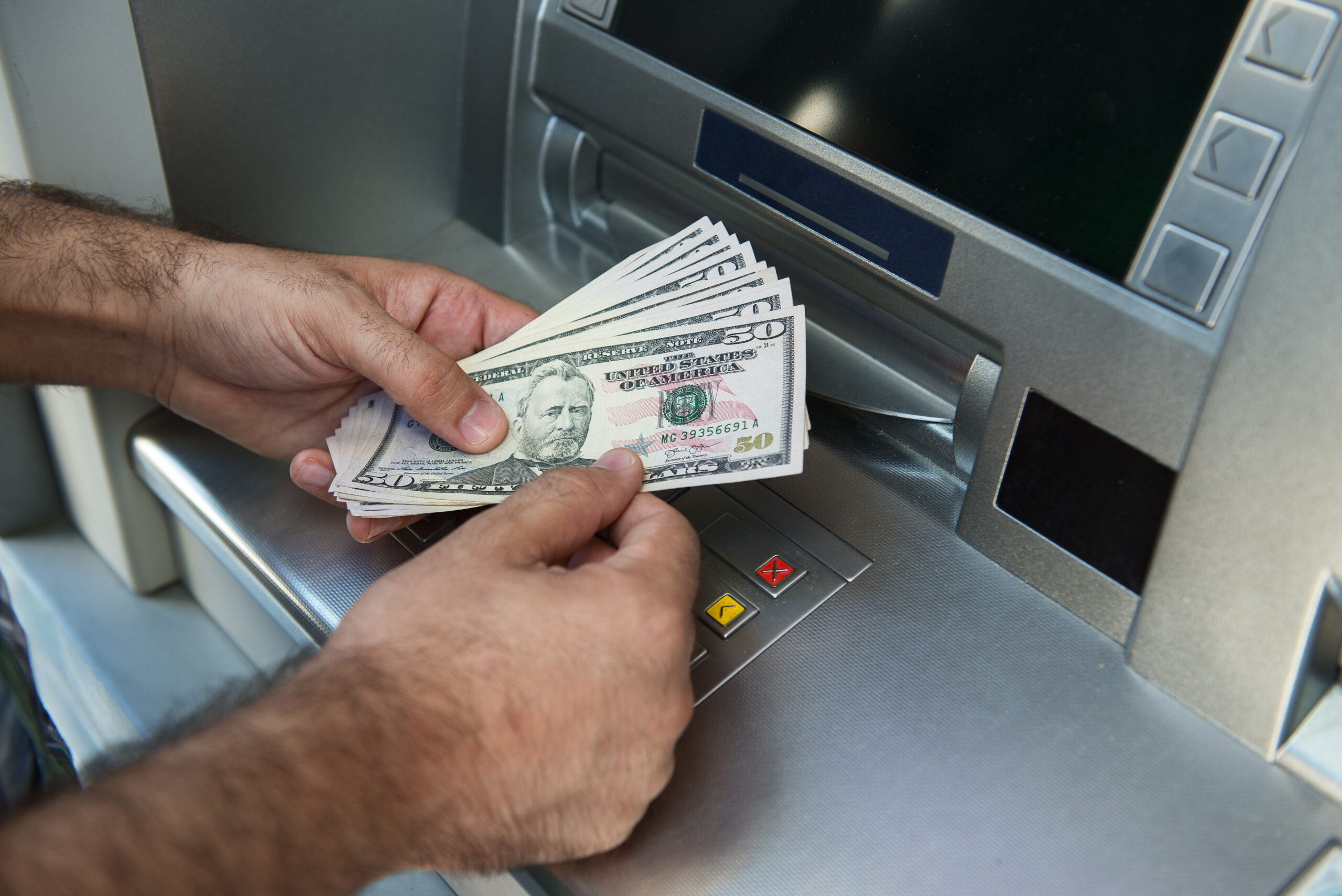
When no ATM is available, the customer may skip the purchase or leave to find another source of cash. An on-site ATM can remove that payment obstacle by allowing the customer to withdraw money without leaving the business.

This is one reason ATMs may support additional or unplanned purchases at customer-facing locations.

An ATM does not create customer demand on its own. It does not guarantee higher sales, more foot traffic, or a specific amount of surcharge income. It simply makes cash more accessible at the point where a customer may already be considering a purchase.

For West Virginia convenience stores, restaurants, lodging properties, entertainment venues, recreation businesses, independent retailers, and event locations, that added convenience may support a smoother customer experience and help capture transactions that might otherwise be lost.

The results depend on the business, customer behavior, ATM placement, processing reliability, machine availability, and surrounding commercial environment.

What Is an Unplanned Purchase?

An unplanned purchase is a transaction a customer decides to make after arriving at the business rather than before the visit.

These purchases are often influenced by:

  • Product visibility
  • Convenience
  • Customer mood
  • Limited-time offers
  • Event atmosphere
  • Product placement
  • Recommendations
  • Immediate availability
  • Price
  • The ability to pay

Examples can include:

  • A snack or beverage at a convenience store
  • Merchandise at a concert
  • An additional item at a local retailer
  • A souvenir at a tourism destination
  • A tip at a restaurant or service business
  • Food from an event vendor
  • An admission upgrade
  • Supplies at a campground
  • A last-minute purchase at a market or fair

An ATM supports this process only when cash access is the missing step between customer interest and the completed transaction.

1. An ATM Reduces Payment Friction

Payment friction is anything that makes completing a transaction more difficult.

A customer may be ready to buy but encounter a problem such as:

  • The vendor accepts cash only

  • The customer prefers not to use a card

  • The card terminal is unavailable

  • Cellular service is unreliable

  • The customer needs cash for a tip

  • The purchase amount is small

  • The customer has reached a card limit

  • A nearby service prefers cash

  • The event includes independent sellers using different payment methods

When an ATM is available inside the business or venue, the customer has another way to access funds.

The machine does not persuade the customer to buy something unwanted. It gives the customer a practical way to complete a purchase they are already considering.

Example: Independent Retail Store

A shopper enters a West Virginia gift shop intending to browse. The customer notices an additional handcrafted item but prefers to pay cash.

An on-site ATM allows the customer to obtain cash without leaving the store.

Example: Food or Beverage Business

A customer wants to leave a cash tip or make a small additional purchase. Immediate ATM access makes that transaction easier.

Example: Event Vendor

An attendee finds a product at a festival vendor that was not included in the original event budget. A nearby ATM provides another payment option.

2. An ATM Can Keep Customers at the Location

When customers leave to search for cash, the business loses control of the customer journey.

The customer may:

  • Visit another store

  • Find a competing ATM

  • Complete the purchase somewhere else

  • Encounter parking difficulties

  • Decide the purchase is not worth the effort

  • Become distracted by another activity

  • Leave the area entirely

Even when the customer intends to return, there is no certainty that the transaction will be completed.

Providing an ATM on-site can reduce the need for that interruption.

The customer remains near:

  • The products

  • The employees

  • The vendors

  • The event

  • The restaurant

  • The entertainment

  • The original purchase opportunity

This can be particularly valuable for businesses that rely on decisions made during the customer’s visit.

3. Cash Access Can Support Small Add-On Purchases

Many unplanned transactions involve relatively small amounts.

Customers may add:

  • A beverage

  • A snack

  • A souvenir

  • A service upgrade

  • A second product

  • Event merchandise

  • A game or attraction

  • A donation

  • A tip

  • A locally made item

These purchases may not justify a separate trip to a bank or another business. When cash is immediately available, completing the transaction becomes more convenient.

Product Placement Still Matters

An ATM alone does not determine what customers buy.

Businesses can improve the overall customer experience by placing relevant products near natural customer pathways without obstructing ATM access.

Possible areas include:

  • Near the checkout counter

  • Along the path between the ATM and register

  • Near event vendor areas

  • Inside a hotel lobby

  • Near guest services

  • Close to merchandise displays

  • Near food and beverage areas

The machine itself should remain visible, accessible, secure, and separate enough to provide customers with reasonable transaction privacy.

4. An ATM Can Support Cash-Preferred Vendors and Services

Some locations bring together several independent businesses or service providers.

Examples include:

  • Festivals

  • Farmers markets

  • Flea markets

  • Craft fairs

  • Food truck gatherings

  • Concerts

  • Community celebrations

  • Trade shows

  • Tourism markets

  • Fundraisers

  • Recreation events

  • Vendor-based retail spaces

Not every vendor may use the same payment system. Some may accept cards, while others prefer cash because of equipment limitations, connectivity, transaction costs, or the temporary nature of the event.

A strategically positioned ATM gives attendees another payment option and may help vendors complete transactions that would otherwise be abandoned.

The ATM Should Complement Other Payment Methods

An ATM should not be treated as a replacement for reliable card and digital payment options.

A well-planned payment environment may include:

  • Credit and debit card processing

  • Contactless payments

  • Mobile payment options

  • Online prepayment

  • Cash

  • On-site ATM access

Providing multiple options allows customers to choose the method that best fits the transaction.

5. ATM Users May Also Become Customers

Some people may enter a business primarily because they need an ATM.

After completing the withdrawal, they may notice products or services offered at the location.

For example, an ATM user might also purchase:

  • A drink

  • A snack

  • Fuel

  • A convenience item

  • Local merchandise

  • A meal

  • Event admission

  • Recreation supplies

  • A personal service

  • Another product displayed near the customer path

This can create an additional opportunity for the business, but the result is not guaranteed.

The business still needs to provide:

  • Relevant products

  • Competitive pricing

  • A clean environment

  • Helpful service

  • Convenient checkout

  • Clear product visibility

  • A positive customer experience

The ATM may bring the visitor inside, but the rest of the business determines whether another purchase occurs.

6. Cash Availability Can Support Time-Sensitive Decisions

Some purchasing decisions happen within a short window.

Examples include:

  • Buying merchandise before an event ends

  • Purchasing from a temporary vendor

  • Paying an admission or parking fee

  • Joining an activity about to begin

  • Purchasing food before a concession closes

  • Buying a limited-quantity product

  • Leaving a tip before departing

  • Purchasing supplies before traveling to another destination

When customers must leave to find cash, that purchase opportunity may disappear.

An on-site ATM can help customers act while the product, vendor, service, or event is still available.

Businesses should still avoid creating misleading urgency or pressuring customers. The purpose of the ATM is to improve access—not to encourage irresponsible spending.

7. ATM Access Can Support West Virginia Tourism and Event Traffic

West Virginia businesses frequently serve a combination of residents, regional travelers, outdoor-recreation visitors, event attendees, college communities, and guests unfamiliar with nearby banking options.

A visitor may know where to find cash in their hometown but not near:

  • A mountain recreation area

  • A campground

  • A local festival

  • A small-town shopping district

  • A hotel

  • A regional event venue

  • A highway travel stop

  • A river recreation destination

  • A community market

  • An outdoor attraction

An on-site ATM can help reduce uncertainty for those visitors.

Tourism-Oriented Businesses That May Benefit

  • Hotels and motels

  • Cabins and resorts

  • Campgrounds

  • Recreation outfitters

  • Visitor attractions

  • Independent gift shops

  • Restaurants

  • Bars and entertainment venues

  • Travel stops

  • Festival locations

  • Event facilities

  • Local markets

Demand may be seasonal. A business should review transaction patterns across busy and slower periods before deciding whether permanent ownership, leasing, placement, or temporary rental is the most appropriate arrangement.

8. ATM Reporting Can Reveal Customer Behavior

Depending on the processor and reporting platform, ATM owners or operators may be able to review transaction activity.

Useful information may include:

  • Number of completed withdrawals

  • Transaction dates and times

  • Peak usage periods

  • Declined transactions

  • Surcharge activity

  • Low-cash conditions

  • Machine downtime

  • Settlement information

  • Seasonal changes

  • Event-related increases

This information can help the business understand when customers are most likely to need cash.

Possible Business Uses for ATM Data

A business may use reporting to:

  • Prepare the ATM before busy weekends

  • Increase cash before an event

  • Identify strong evening activity

  • Compare seasonal demand

  • Adjust replenishment schedules

  • Review machine placement

  • Evaluate operating costs

  • Identify recurring downtime

  • Determine whether additional machines are needed

ATM reports generally describe machine activity, not the specific products customers purchase afterward. Businesses should avoid assuming that every withdrawal resulted in an additional sale.

Explore ATM Options for Your West Virginia Business

Tell us about your business, customer traffic, available space, operating hours, and cash-access needs. We can help you review buying, leasing, free placement, processing, installation, and maintenance options.

Categories
Blogs

ATM Installation Benefits for West Virginia Businesses

Beyond Cash Access: 6 Ways an ATM Supports Your Business

Installing an ATM may appear to serve one simple purpose: giving customers access to cash.

In practice, a properly selected and strategically placed machine can support several parts of a business at the same time. It may improve customer convenience, help prevent interrupted purchases, support cash-preferred transactions, provide potential surcharge income, and offer useful information about customer activity.

These benefits are not automatic. The ATM must be installed in a location with real customer demand, adequate traffic, suitable visibility, secure placement, dependable processing, and a clear maintenance plan.

West Virginia businesses operate in many different environments. A convenience store in Charleston may experience consistent daily traffic, while a lodging or recreation business may receive more seasonal demand. Restaurants, bars, travel stops, independent retailers, event venues, and college-area businesses may also serve customers who need immediate access to cash.

The right ATM arrangement should be based on those specific conditions rather than a one-size-fits-all recommendation.

Here are six ways ATM installation can serve multiple purposes for a West Virginia business.

1. An ATM Improves Customer Convenience

Convenience is one of the most direct benefits of installing an ATM.

When a customer needs cash but no machine is available, that person may have to:

  • Leave the property

  • Search for a nearby bank

  • Drive to another business

  • Pay an unfamiliar ATM fee elsewhere

  • Delay a purchase

  • Abandon the transaction entirely

An on-site ATM removes that extra step.

Customers can withdraw cash where they are already shopping, dining, staying, attending an event, or receiving a service. That can make the location easier to use and improve the overall customer experience.

Businesses Where Convenience May Matter Most

ATM access may be particularly helpful for:

  • Convenience stores

  • Fuel stations

  • Restaurants

  • Bars and nightlife venues

  • Hotels and motels

  • Resorts and cabins

  • Campgrounds

  • Entertainment businesses

  • Event venues

  • Independent retailers

  • Salons

  • Laundromats

  • Flea markets

  • College-area businesses

  • Travel stops

The value depends on whether customers at the location actually need cash.

A business should track how often customers ask:

  • “Do you have an ATM?”

  • “Where is the nearest ATM?”

  • “Can I get cash back?”

  • “Is this cash only?”

  • “Can I leave and return?”

Repeated questions like these can provide useful evidence that an ATM may improve customer convenience.

2. An ATM Can Help Keep Customers On-Site

When customers leave a business to find cash, there is no guarantee they will return.

They may:

  • Complete the purchase somewhere else

  • Visit another store

  • Decide not to buy

  • Encounter a parking problem

  • Become distracted by another activity

  • Find a competing business with an ATM

Installing an ATM may help reduce those customer departures.

This can be especially important when the business depends on immediate purchasing decisions.

Examples include:

  • Food and beverage purchases

  • Tips

  • Admission fees

  • Vendor transactions

  • Entertainment spending

  • Merchandise

  • Parking

  • Personal services

  • Small retail purchases

  • Cash-preferred products

An ATM gives customers a way to access cash without interrupting their visit.

Supporting the Complete Customer Journey

The machine can become part of a smoother customer journey:

  1. The customer enters the business.

  2. The customer selects a product or service.

  3. The customer realizes cash is needed.

  4. The customer uses the on-site ATM.

  5. The customer completes the transaction.

  6. The customer remains at the location.

This does not guarantee that every withdrawal will lead to a purchase. However, it removes one common obstacle that can prevent a transaction from being completed.

3. An ATM May Support Additional On-Site Spending

An ATM can support more than the withdrawal itself.

Once customers have access to cash, they may use it for purchases at the business or with nearby vendors.

This can be useful in locations where cash is commonly used for:

  • Tips

  • Food trucks

  • Vendor booths

  • Small purchases

  • Games

  • Donations

  • Parking

  • Event merchandise

  • Admission upgrades

  • Personal services

  • Local markets

  • Entertainment activities

Example: Restaurant or Bar

A customer may withdraw cash for a tip, entertainment, or another nearby transaction.

Example: Hotel or Lodging Property

A guest may need cash for local transportation, tips, recreation, or a nearby cash-preferred business.

Example: Festival or Event Venue

Attendees may need cash for food, drinks, souvenirs, vendor purchases, or games.

Example: Convenience Store

A customer who enters only to use the ATM may also purchase a drink, snack, fuel, or another item.

The ATM should not be promoted as a guaranteed sales generator. Customer demand, pricing, product quality, traffic, and the broader business environment still determine purchasing behavior.

The ATM simply makes cash easier to obtain when customers are ready to spend.

4. ATM Transactions May Create Surcharge Revenue

Many commercial ATMs display a surcharge before a customer confirms a withdrawal.

Depending on the ownership, placement, leasing, and processing arrangement, the business may retain part of the surcharge generated by completed transactions.

This can create a potential additional source of revenue.

However, the amount earned depends on several factors:

  • Number of completed withdrawals

  • Surcharge amount

  • Processing fees

  • Revenue-sharing terms

  • Equipment ownership

  • Lease payments

  • Cash-loading expenses

  • Communication fees

  • Maintenance expenses

  • Machine availability

  • Customer demand

  • Nearby ATM competition

  • Seasonal activity

The surcharge shown to the customer is not always the amount retained by the business.

A processing or placement agreement may include:

  • Network costs

  • Processor fees

  • Revenue splits

  • Equipment charges

  • Service costs

  • Other deductions

All financial terms should be reviewed before the machine is installed.

Avoid Unsupported Revenue Promises

Businesses should be cautious when someone promises:

  • A guaranteed number of monthly withdrawals

  • A fixed monthly profit

  • A guaranteed return period

  • Unlimited revenue

  • Guaranteed customer spending

  • Guaranteed traffic increases

ATM performance varies by location.

The stronger approach is to estimate potential using conservative assumptions and real business information.

5. An ATM Can Complement Card and Digital Payments

Installing an ATM does not mean a business should stop accepting cards, mobile wallets, or other payment methods.

Cash access and card processing can work together.

Customers have different payment preferences. Some prefer credit cards, while others use debit cards, mobile wallets, or cash.

An ATM gives the business another payment-support option.

Cash Can Remain Useful When:

  • A customer wants to leave a cash tip

  • A vendor accepts cash

  • A payment terminal is temporarily unavailable

  • Internet or cellular service is inconsistent

  • A customer prefers not to use a card for a small purchase

  • An event includes several independent sellers

  • Nearby services are cash-preferred

  • Customers need physical cash after the purchase

The ATM should complement the broader payment environment rather than replace dependable merchant processing.

ATM Processing and Credit Card Processing Are Different

ATM processing connects the ATM with the networks required for withdrawals, transaction reporting, and settlement.

Credit card processing allows the business to accept customer payments for products and services.

A business may use both systems, but each has different:

  • Equipment

  • Agreements

  • Fees

  • Reporting

  • Security responsibilities

  • Support requirements

  • Settlement procedures

The business should understand which provider handles each service.

6. ATM Reporting Can Help the Business Understand Demand

A properly processed ATM may provide transaction and terminal reporting.

Depending on the processor and platform, reports may include:

  • Completed withdrawals

  • Declined transactions

  • Transaction dates and times

  • Surcharge activity

  • Settlement records

  • Terminal status

  • Communication errors

  • Low-cash conditions

  • Periods of inactivity

  • Daily or monthly totals

This information can help the business better understand customer demand.

Reports May Help Identify:

  • The busiest ATM hours

  • The strongest days of the week

  • Seasonal changes

  • Event-related transaction increases

  • Cash-replenishment needs

  • Periods of machine downtime

  • Whether the ATM remains financially practical

  • Whether equipment capacity is sufficient

  • Whether the machine should be repositioned

For example, if most withdrawals occur on Friday and Saturday evenings, the business can plan cash replenishment before those periods.

If activity increases during community events or tourism seasons, the business can prepare the machine for heavier use.

Reporting should be reviewed regularly rather than only when a cash discrepancy or technical issue occurs.

Explore ATM Installation for Your West Virginia Business

Tell us about your location, customer traffic, available space, operating hours, and cash-access needs. We can help you review buying, leasing, placement, processing, installation, and service options.

Categories
Blogs

Best ATM Locations in West Virginia | 7 Questions

7 Questions to Find the Best ATM Location in West Virginia

An ATM can be a useful customer amenity and a potential source of surcharge income, but installing a machine does not automatically make a location profitable.

A machine placed in a busy, visible, secure area may receive regular use. The same equipment positioned in a hidden corner of a low-traffic business may complete very few transactions.

This is why location selection should happen before choosing the ATM model, processing agreement, surcharge, or cash capacity.

West Virginia businesses operate in many different environments. A convenience store in Charleston may receive steady daily traffic, while a lodging property near an outdoor destination may see stronger weekend or seasonal activity. A restaurant near a college community, a travel-oriented business in Martinsburg, and an entertainment venue in Huntington may all have different customer behavior.

The best ATM location is not simply the business with the most visitors. It is a location where the right customers regularly need cash, can see and access the machine, feel comfortable using it, and can rely on it to remain funded and operational.

Before purchasing, leasing, or applying for free ATM placement, ask the following seven questions.

Does the Business Receive Consistent Customer Traffic?

Customer traffic is one of the first indicators of ATM potential.

A location cannot generate regular withdrawals when only a small number of customers enter the business. However, traffic alone does not guarantee ATM use. The type, timing, and consistency of that traffic also matter.

Review:

  • Average daily customer count

  • Busiest days of the week

  • Peak operating hours

  • Seasonal changes

  • Weekend activity

  • Evening traffic

  • Event-related increases

  • Percentage of walk-in customers

  • Length of the average customer visit

A business receiving 200 customers every day may offer more predictable ATM demand than a location receiving 1,000 visitors during one annual event.

Consistency matters because ATM ownership, processing, maintenance, and cash management continue even when transaction activity slows.

Traffic Patterns to Consider

Steady Daily Traffic

Convenience stores, fuel stations, grocery markets, laundromats, and neighborhood retailers may receive relatively consistent daily activity.

These locations can be easier to evaluate because customer patterns are less dependent on one season or event.

Concentrated Evening Traffic

Bars, restaurants, music venues, and entertainment businesses may receive most of their traffic during specific evening hours.

The ATM must remain funded, connected, and operational during those peak periods.

Seasonal Visitor Traffic

Campgrounds, recreation businesses, cabins, resorts, and tourism-oriented locations may experience stronger demand during certain months.

A seasonal location may still support an ATM, but the business should compare peak-season activity with lower-volume periods.

Event-Driven Traffic

Fairgrounds, community venues, festival sites, and entertainment facilities may experience sharp increases in attendance during scheduled events.

A permanent ATM may be appropriate for a venue with recurring events. Short-term event ATM rental may make more sense for occasional gatherings.

Do Customers at the Location Actually Need Cash?

High traffic and cash demand are not the same thing.

A professional office may receive many visitors but have little need for cash. A smaller bar, vendor market, or convenience store may generate stronger ATM demand because customers regularly use cash for purchases, tips, or nearby services.

Consider why customers may need cash at or near the business.

Common reasons include:

  • Tips

  • Small purchases

  • Food and beverages

  • Admission fees

  • Parking

  • Entertainment spending

  • Vendor transactions

  • Donations

  • Personal services

  • Cash-preferred products

  • Nearby cash-only businesses

  • Local markets or community events

Business owners can learn a great deal by reviewing customer questions.

Track how often customers ask:

  • “Is there an ATM here?”

  • “Where is the nearest ATM?”

  • “Can I get cash back?”

  • “Do you accept cards?”

  • “Is this cash only?”

  • “Can I leave and come back?”

Repeated requests for cash access are a stronger demand signal than general foot traffic alone.

Evaluate Nearby ATM Competition

Look at the alternatives customers already have.

Ask:

  • Is there another ATM in the same building?

  • Is a bank or convenience store located nearby?

  • Is the competing ATM available after business hours?

  • Is it easy to reach on foot?

  • Does the customer need to leave the property?

  • Are nearby machines frequently unavailable?

  • Is the location in a rural or travel-oriented area with limited banking access?

A nearby ATM does not always eliminate demand. Customers may still prefer a machine that is more visible, convenient, accessible, or available during the hours they need it.

Will Customers See and Reach the ATM Easily?

An ATM cannot perform well when customers do not know it is available.

Visibility affects both convenience and transaction activity. A machine hidden behind merchandise, placed in an employee-only area, or located far from the main customer path may be overlooked.

Strong placement areas may include:

  • Near the main checkout area
  • Along a natural customer walkway
  • Near the entrance without blocking it
  • Close to food or merchandise areas
  • Near guest services
  • Inside a hotel lobby
  • Near an entertainment or admission area
  • Within a well-lit common space

The machine should be noticeable without interfering with normal business activity.

Review the Customer Approach

Customers need enough space to use the ATM comfortably and privately.

Check whether the proposed placement provides:

  • A clear approach
  • Sufficient standing space
  • Access to the screen and keypad
  • Privacy during PIN entry
  • Space for customers using mobility devices
  • Safe movement around nearby fixtures
  • No obstruction of doors or checkout lines
  • No interference with emergency exits
  • Adequate lighting

The ATM should not be placed where customers feel rushed, exposed, or in the way of other visitors.

Use Signs Carefully

Directional signs can help customers locate the ATM, but signage should support—not replace—good placement.

Useful options may include:

  • A window ATM sign
  • A small counter sign
  • Directional signage inside the business
  • An ATM icon near the entrance
  • Event maps showing ATM locations
  • Venue signs near vendor areas

Avoid excessive or misleading signage. Customers should be able to locate the machine without confusion.

Is the Proposed Location Secure?

An ATM contains cash and handles financial transactions, making physical security an essential part of site selection.

A machine should be accessible to customers but difficult for unauthorized individuals to remove, damage, or access internally.

Review:

  • Floor anchoring

  • Camera coverage

  • Lighting

  • Employee visibility

  • After-hours access

  • Door and window security

  • Alarm coverage

  • Access to the rear of the machine

  • Cash-loading procedures

  • Key and combination control

  • Insurance requirements

  • History of theft or vandalism at the property

Indoor Placement Is Usually Easier to Secure

Standard retail ATMs are commonly designed for indoor use.

Indoor placement may provide:

  • Better weather protection

  • More consistent power and connectivity

  • Employee oversight

  • Existing camera coverage

  • Controlled operating hours

  • Easier maintenance access

Outdoor or through-the-wall installations may require specialized equipment, stronger environmental protection, enhanced anchoring, additional lighting, and more detailed security planning.

Avoid Isolated Areas

A machine placed in a dark hallway, unused corner, or unmonitored exterior area may discourage customers and increase risk.

Customers generally feel more comfortable using an ATM in a visible, well-maintained area with normal business activity nearby.

Protect Sensitive Information

Only authorized individuals should have access to:

  • Vault keys

  • Machine combinations

  • Cash-loading schedules

  • Processor credentials

  • Administrator passwords

  • Encryption information

  • Settlement-account details

This information should never be submitted through a public contact form or unsecured message.

Can the Location Support the ATM Technically?

A business may have strong traffic and demand but still be unsuitable if it cannot support the machine’s technical requirements.

An ATM normally needs:

  • Electrical power

  • An approved communication connection

  • Proper installation space

  • A secure anchoring surface

  • Compatible processing

  • Reliable environmental conditions

  • Access for maintenance and cash loading

Electrical Power

The power source should be dependable and appropriate for the equipment.

Avoid placing the ATM where:

  • Cords cross customer walkways

  • The outlet is frequently disconnected

  • The circuit is overloaded

  • Temporary extension cords are required

  • Power is switched off outside business hours

  • Water or weather exposure is possible

Power interruptions can make the machine unavailable and may create transaction or equipment problems.

Internet or Cellular Connectivity

The ATM must communicate with its processor.

Depending on the equipment and provider, communication may use:

  • Wired internet

  • Cellular service

  • Another supported connection

Signal strength and internet reliability should be reviewed before installation, especially in rural, mountain, outdoor, or large-venue environments.

A machine can appear to be working while still being unable to complete transactions because its processing connection has failed.

Installation and Anchoring

The floor or installation surface must support secure anchoring where required.

Confirm:

  • Floor material

  • Permission from the property owner

  • Drilling or anchoring restrictions

  • Access to the installation area

  • Machine dimensions

  • Delivery route

  • Doorway and hallway clearance

  • Elevator access when applicable

These details should be checked before delivery—not when the machine arrives.

Can the Business Keep the ATM Funded and Operational?

Location success depends on more than initial installation.

The ATM must remain:

  • Supplied with cash

  • Connected to the processor

  • Stocked with receipt paper

  • Clean

  • Secure

  • Available to customers

  • Properly maintained

A machine that is frequently empty or out of service may damage customer trust and reduce future use.

Cash-Replenishment Responsibility

Determine who will supply and load the cash.

Possible arrangements include:

  • Business-managed cash loading

  • Provider-managed loading

  • Venue-managed cash

  • An approved cash-management service

Responsibilities depend on the ownership, lease, placement, or processing agreement.

The responsible party should understand:

  • How much cash to load

  • How often to replenish it

  • How to balance the cassettes

  • How to review transaction totals

  • How to secure keys and combinations

  • How to investigate discrepancies

  • How to document access

  • What insurance coverage is required

Maintenance and Repair Access

Before installing an ATM, identify who will support it.

Ask:

  • Is remote troubleshooting available?

  • Is on-site service available in the location?

  • Which machine models can be serviced?

  • Are replacement parts available?

  • Does a warranty apply?

  • Are labor and travel covered?

  • What happens outside normal business hours?

  • Who handles processing problems?

  • Who handles hardware failures?

  • When should the machine be replaced?

Do not advertise guaranteed 24/7 repair or immediate technician response unless that support is included in the actual agreement.

Does the Location Make Financial Sense?

An ATM location should be evaluated as a complete business decision.

Potential benefits may include:

  • Customer convenience

  • Surcharge income

  • Support for nearby purchases

  • Reduced customer departures

  • Improved access to cash

  • Added value for guests or visitors

Potential expenses may include:

  • Equipment purchase

  • Lease payments

  • Shipping

  • Installation

  • Processing

  • Internet or cellular service

  • Cash-loading costs

  • Maintenance

  • Repairs

  • Receipt paper

  • Insurance

  • Security improvements

  • Future replacement

Estimate Transactions Conservatively

Avoid calculating potential revenue using only the busiest day or an ideal transaction estimate.

A more realistic evaluation considers:

  • Average daily traffic

  • Percentage of customers likely to withdraw cash

  • Seasonal changes

  • Nearby ATM competition

  • Business operating hours

  • Customer profile

  • Machine visibility

  • Expected downtime

  • Net amount retained per completed transaction

The surcharge displayed to the customer may not equal the amount retained by the business. Processing fees, revenue-sharing arrangements, lease terms, and other costs may affect net income.

No transaction volume, surcharge income, or return on investment should be guaranteed before reviewing the actual location.

The best ATM location combines customer traffic, real cash demand, visibility, security, dependable connectivity, manageable operating responsibilities, and realistic financial potential.

A busy business is not automatically a strong ATM location. A smaller business with regular cash requests, limited nearby banking access, and a visible machine area may offer better potential.

Before choosing equipment, answer the seven questions honestly:

  1. Does the business have consistent traffic?
  2. Do customers genuinely need cash?
  3. Will the machine be visible and accessible?
  4. Is the location secure?
  5. Can the site support power and connectivity?
  6. Can the ATM remain funded and operational?
  7. Does the complete financial arrangement make sense?

A careful location review can prevent poor equipment decisions and help the ATM become a useful part of the business rather than an underused expense.

Find Out Whether Your West Virginia Location Is ATM-Ready

Tell us about your business type, address, customer traffic, operating hours, available space, and cash-access needs. We can help you review purchasing, leasing, placement, processing, and service options.

Categories
Blogs

ATM Ownership Benefits for West Virginia Businesses

Why ATM Ownership Can Benefit West Virginia Businesses

West Virginia businesses serve customers in many different settings. Some operate in busy commercial areas in Charleston, Huntington, or Morgantown. Others serve travelers, hotel guests, outdoor-recreation visitors, college communities, neighborhood shoppers, or residents of smaller mountain and river towns.

Although debit cards, credit cards, and mobile payments are widely used, cash remains important for many everyday transactions. Customers may need it for tips, small purchases, event vendors, admission fees, entertainment, personal services, or nearby cash-preferred businesses.

Providing an ATM on-site can make accessing cash easier. For an established location with consistent demand, purchasing and owning the machine may also provide greater operational control than leasing, renting, or using a managed placement program.

ATM ownership is not the correct choice for every business. The financial result depends on real customer traffic, withdrawal demand, equipment costs, surcharge settings, processing expenses, maintenance, cash management, and machine uptime.

This guide explains the potential advantages of ATM ownership, the responsibilities involved, and the factors West Virginia business owners should evaluate before purchasing equipment.

What Does It Mean to Own an ATM?

Owning an ATM means the business purchases the equipment instead of renting it or relying on a third party to retain ownership.

Depending on the processing and service arrangement, the owner may have control over:

  • The ATM model
  • Machine placement
  • Surcharge settings
  • Processing provider
  • Branding
  • Cash replenishment
  • Maintenance decisions
  • Equipment upgrades
  • Replacement timing
  • Transaction reporting

Ownership also means accepting responsibility for the machine’s operating costs, security, maintenance, cash supply, connectivity, and eventual replacement.

The business should understand all of these obligations before deciding that purchasing is more attractive than leasing or placement.

Greater Control Over the ATM Setup

One of the clearest benefits of ownership is greater control.

Under a managed placement arrangement, the service provider may select the machine, determine operational terms, retain equipment ownership, and control a portion of the surcharge activity.

A business that owns the ATM may have more flexibility to choose equipment based on:

  • Expected transaction volume
  • Available floor space
  • Security requirements
  • Cash capacity
  • Screen and interface preferences
  • Connectivity
  • Warranty
  • Service availability
  • Long-term operating plans

That control can be useful for businesses that expect the ATM to remain a permanent part of the location.

For example, a high-traffic convenience store may prioritize cash capacity and durability. A hotel lobby may place more emphasis on compact equipment, appearance, and guest accessibility. A restaurant or entertainment venue may need a machine that performs reliably during concentrated evening traffic.

The ATM should be selected for the actual environment rather than chosen only because it has the lowest purchase price.

Potential Surcharge Income From Completed Withdrawals

Most independently operated ATMs display a surcharge before a customer confirms a withdrawal.

Depending on the ownership and processing agreement, the business may retain part of the surcharge generated by completed transactions.

This can create a potential additional income source. However, revenue varies substantially among locations.

Important factors include:

  • Number of monthly withdrawals
  • Surcharge amount
  • Processing costs
  • Cash-loading expenses
  • Maintenance expenses
  • Communication fees
  • Machine downtime
  • Customer traffic
  • Nearby ATM competition
  • Business operating hours
  • Seasonal activity

The displayed surcharge is not always equal to the amount the owner ultimately retains. Processing agreements may include transaction costs, network charges, revenue splits, or other deductions.

No business should purchase an ATM based on guaranteed monthly income or an unsupported return estimate. A realistic evaluation should use actual customer activity and complete operating costs.

More Control Over Long-Term Revenue Potential

With a leased or third-party-owned ATM, part of the transaction value may remain tied to the equipment or placement agreement.

Ownership may allow the business to retain more of the machine’s long-term value after the initial purchase cost has been recovered.

This does not mean that ownership becomes cost-free. The business may continue paying for:

  • ATM processing
  • Cellular or internet communication
  • Receipt paper
  • Repairs
  • Preventive maintenance
  • Software or compliance updates
  • Insurance
  • Cash management
  • Replacement parts
  • Future equipment replacement

The long-term advantage depends on whether transaction activity remains strong enough to justify those ongoing costs.

A business with stable traffic and consistent ATM use may find ownership more attractive than one with uncertain, seasonal, or low-volume demand.

Customer Convenience Without Sending Visitors Elsewhere

When customers need cash but cannot access it on-site, they may leave the property to find another ATM.

That interruption can create several problems:

  • The customer may not return
  • A planned purchase may be delayed
  • A cash-preferred transaction may be abandoned
  • A nearby competitor may receive the customer instead
  • The customer may view the location as less convenient

An on-site ATM helps reduce that friction.

This can be particularly valuable where customers use cash for:

  • Tips
  • Small purchases
  • Food and beverages
  • Admissions
  • Vendor transactions
  • Parking
  • Entertainment
  • Personal services
  • Local markets
  • Nearby cash-only businesses

The benefit is not limited to the surcharge itself. The ATM may also support the broader customer experience by making the location easier to use.

Potential Support for On-Site Spending

Easy cash access may help customers complete purchases at the same location or with nearby vendors.

For example:

  • A restaurant customer may withdraw cash for a tip
  • A festival attendee may purchase food or merchandise
  • A hotel guest may need cash for local services
  • A bar customer may use cash for entertainment
  • A convenience-store visitor may make an additional purchase
  • A campground guest may need cash for nearby recreation or supplies

An ATM does not guarantee that customers will spend more. Product demand, pricing, customer preferences, business traffic, and the broader market still influence purchasing behavior.

The ATM should be viewed as a convenience tool that removes one possible obstacle to a transaction—not as a guaranteed sales generator.

A Permanent Amenity for Established Locations

Businesses with dependable customer traffic may benefit from treating the ATM as a permanent service rather than a temporary addition.

Ownership may be appropriate when the business:

  • Has operated successfully for an extended period
  • Receives regular public traffic
  • Frequently serves customers seeking cash
  • Plans to remain at the location
  • Has secure indoor installation space
  • Can manage cash replenishment
  • Can maintain power and connectivity
  • Wants control over processing and equipment
  • Can support maintenance and repair costs

This may apply to convenience stores, fuel stations, hotels, restaurants, bars, retail shops, entertainment businesses, travel stops, and other established customer-facing operations.

A newer business without verified traffic may benefit from gathering more location data before purchasing equipment.

Is ATM Ownership Right for Your Business?

Owning an ATM may give a West Virginia business greater control over equipment, processing, surcharge activity, placement, and long-term operation.

For an established location with consistent customer traffic and real cash demand, ownership can become a practical way to improve convenience and potentially create additional income.

The decision should still be based on careful evaluation.

Review the complete equipment cost, transaction expectations, processing agreement, cash-loading responsibilities, security, connectivity, maintenance, service coverage, and long-term plans.

An ATM should support the business—not become an underused machine or another avoidable operational burden.

When the equipment, location, and service arrangement are properly matched, ATM ownership can become a useful part of the customer experience and the broader business model.

Explore ATM Ownership for Your West Virginia Business

Tell us about your business type, location, customer traffic, available space, and current cash-access needs. We can help you compare purchasing, leasing, processing, placement, and service options.

Categories
Blogs

Puloon ATMs for West Virginia Businesses

Puloon ATMs: A Practical Choice for West Virginia Businesses

West Virginia businesses operate in many different environments. A neighborhood convenience store in Charleston may serve steady daily traffic, while a lodging property near an outdoor destination may experience stronger weekend or seasonal demand. Restaurants, bars, college-area businesses, travel stops, independent retailers, and entertainment venues may also serve customers who occasionally need immediate access to cash.

An on-site ATM can help meet that need without requiring customers to leave the property. When selected carefully and supported properly, the machine can become a useful part of the customer experience and potentially create an additional source of surcharge income.

Puloon ATMs are one equipment option that West Virginia business owners may consider. Their commercial machines are designed for retail environments and are available in configurations intended to balance equipment size, transaction capacity, security, and usability.

However, choosing an ATM should never be based on a brand name alone. The strongest decision considers the location, customer activity, equipment model, processing compatibility, cash-loading responsibilities, maintenance access, and total cost of ownership.

This guide explains where Puloon ATMs may fit, which features deserve attention, and what West Virginia businesses should review before purchasing, leasing, or placing a machine.

Why On-Site Cash Access Still Matters

Customers increasingly use cards and mobile payment methods, but cash continues to play a role in many everyday transactions.

A customer may need cash for:

  • Tips
  • Small purchases
  • Admission fees
  • Vendor transactions
  • Entertainment spending
  • Personal services
  • Cash-preferred businesses nearby
  • Food and beverage purchases
  • Event or parking costs

When no ATM is available, that customer may leave the business to find cash elsewhere. Some customers will return, but others may complete their purchase at another location.

An on-site ATM can reduce that inconvenience by making cash accessible where the customer is already shopping, dining, staying, or attending an event.

The value of the machine depends on actual demand. A business should first consider how frequently customers request cash, how far the nearest alternative ATM is, and whether the location receives enough traffic to support regular withdrawals.

What Makes Puloon ATMs Worth Considering?

Puloon produces commercial ATM equipment for retail and customer-facing environments. Depending on the model and configuration, the equipment may offer a compact footprint, different cash-cassette arrangements, security features, display options, and support for common ATM operating requirements.

These characteristics can make the brand worth reviewing for businesses that need practical equipment without using an excessive amount of floor space.

Puloon equipment should still be compared with other available ATM models. Businesses should verify current specifications, processing compatibility, compliance requirements, warranty terms, parts availability, and service coverage before selecting a machine.

Compact Equipment for Businesses With Limited Space

Floor space is valuable, particularly in convenience stores, restaurants, hotel lobbies, independent shops, entertainment venues, and other customer-facing businesses.

A large machine can interfere with checkout lines, walkways, merchandise displays, or seating areas. Compact ATM equipment may provide more installation flexibility while still supporting normal customer withdrawals.

Before choosing a machine, measure the proposed installation area and consider:

  • Customer approach space
  • Accessibility
  • Electrical access
  • Internet or cellular connectivity
  • Floor anchoring
  • Camera coverage
  • Lighting
  • Cash-loading access
  • Emergency and employee walkways

The smallest available ATM is not automatically the correct option. The machine still needs enough cash capacity, durability, and functionality for the expected transaction volume.

Equipment Capacity Should Match Customer Demand

Different locations generate different levels of ATM use.

A hotel lobby may experience gradual demand throughout the week. A bar or entertainment venue may receive more concentrated evening activity. A convenience store near a travel corridor may have consistent daily withdrawals, while an event-related location may experience sudden spikes.

Some Puloon configurations offer different cassette and dispensing options. A higher-capacity setup may reduce the frequency of cash replenishment, but it can also increase equipment cost and the amount of cash stored inside the machine.

Before selecting capacity, review:

  • Expected monthly transactions
  • Typical withdrawal amount
  • Peak traffic periods
  • Cash-loading schedule
  • Staff availability
  • Security conditions
  • Replenishment costs
  • Seasonal demand

A realistic estimate is more valuable than an optimistic projection. Businesses should avoid purchasing more equipment than the location can reasonably support.

Security Features Deserve Careful Review

Every ATM stores cash and processes financial transactions, so security should be part of the selection and installation process.

Depending on the Puloon model, available security features may include door sensors, lock choices, secure cabinet construction, and other equipment protections.

The machine itself is only one part of the security plan. The business should also consider:

  • Proper floor anchoring
  • Visible but controlled placement
  • Camera coverage
  • Adequate lighting
  • Limited access to keys and combinations
  • Cash-loading procedures
  • Employee training
  • Insurance
  • Alarm coverage when appropriate
  • Routine inspection for tampering

Only authorized individuals should access internal compartments or handle sensitive ATM information.

Businesses should never share vault combinations, encryption details, processor passwords, or complete banking information through public forms or unsecured messages.

A Clear Customer Interface Can Support More Confident Use

Customers expect an ATM to be easy to understand.

A confusing interface, poorly positioned screen, unresponsive keypad, or unclear instructions may discourage use even when the machine is technically operating.

Depending on the Puloon model and selected options, equipment may provide different screen sizes, interface features, accessibility components, or peripheral options.

When comparing machines, evaluate:

  • Screen visibility
  • Menu clarity
  • Keypad response
  • Receipt options
  • Voice-guidance capability when available
  • Earphone access when available
  • Accessibility requirements
  • Card-reader design
  • Surcharge disclosure
  • Lighting around the machine

The machine should be tested after installation to confirm that customers can complete transactions properly.

Processing Compatibility Is as Important as the Machine

An ATM cannot complete live withdrawals without an approved processing connection.

The processor routes transaction requests, supports authorization, records activity, and manages settlement according to the processing agreement.

Before purchasing a Puloon ATM, confirm:

  • The machine is compatible with the intended processor
  • Required software is currently supported
  • Communication options are available
  • Terminal programming is included or available
  • Reporting access is provided
  • Settlement terms are understood
  • Surcharge terms are clear
  • Technical support is available
  • Processor conversion is possible when needed

A working screen and dispenser do not guarantee successful transactions. Communication, configuration, software, internet service, and processor settings must also work correctly.

Businesses should review the complete processing agreement rather than focusing only on the surcharge amount.

Is a Puloon ATM Right for Your Business?

Puloon ATMs can be a practical equipment option for West Virginia businesses that need compact commercial machines, dependable cash access, and configurations suitable for customer-facing environments.

The correct decision depends on more than the brand. Business owners should evaluate traffic, cash demand, equipment capacity, security, processing, support, and total ownership costs before moving forward.

A well-planned ATM can improve customer convenience and potentially support surcharge income. A poorly matched machine may remain underused or create unnecessary operational costs.

Begin with an honest review of the location. From there, compare Puloon models, processing arrangements, and ownership options based on the business’s actual requirements.

Explore Puloon ATM Options for Your West Virginia Business

Tell us about your location, customer traffic, available space, and equipment needs. We can help you review Puloon ATM options and determine whether purchasing, leasing, placement, or another service arrangement may be appropriate.