Buy, Lease or Rent ATMs in West Virginia | atmswestvirginia.com
How ATMs Help West Virginia Businesses Capture More Sales
- December 24, 2025
- admin
- 2:40 pm
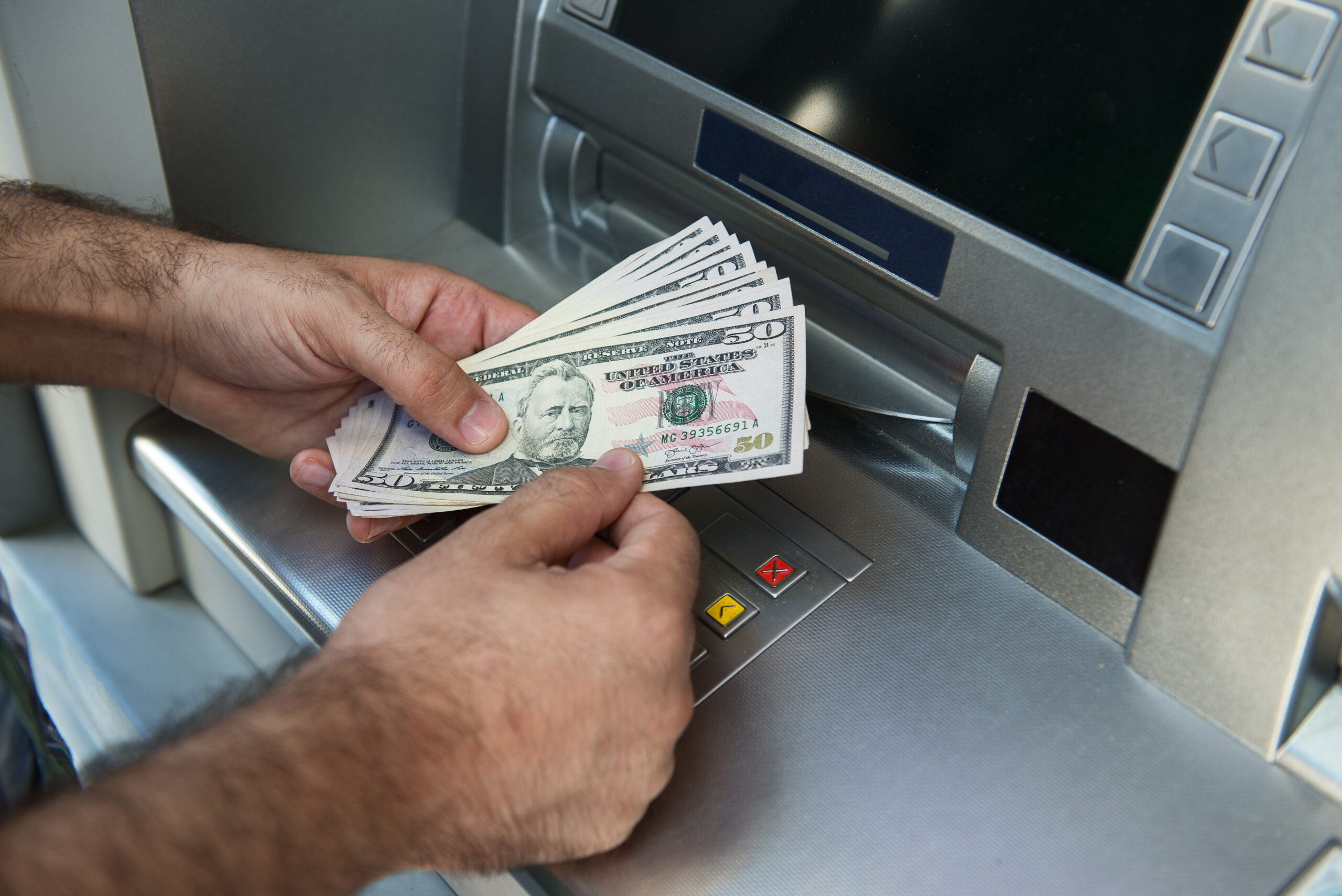
A customer walks into a store planning to purchase one item. While inside, that customer notices a snack, an event ticket, a locally made product, or another small purchase that was not part of the original plan.
The customer is interested—but needs cash.
When no ATM is available, the customer may skip the purchase or leave to find another source of cash. An on-site ATM can remove that payment obstacle by allowing the customer to withdraw money without leaving the business.
This is one reason ATMs may support additional or unplanned purchases at customer-facing locations.
An ATM does not create customer demand on its own. It does not guarantee higher sales, more foot traffic, or a specific amount of surcharge income. It simply makes cash more accessible at the point where a customer may already be considering a purchase.
For West Virginia convenience stores, restaurants, lodging properties, entertainment venues, recreation businesses, independent retailers, and event locations, that added convenience may support a smoother customer experience and help capture transactions that might otherwise be lost.
The results depend on the business, customer behavior, ATM placement, processing reliability, machine availability, and surrounding commercial environment.
What Is an Unplanned Purchase?
An unplanned purchase is a transaction a customer decides to make after arriving at the business rather than before the visit.
These purchases are often influenced by:
- Product visibility
- Convenience
- Customer mood
- Limited-time offers
- Event atmosphere
- Product placement
- Recommendations
- Immediate availability
- Price
- The ability to pay
Examples can include:
- A snack or beverage at a convenience store
- Merchandise at a concert
- An additional item at a local retailer
- A souvenir at a tourism destination
- A tip at a restaurant or service business
- Food from an event vendor
- An admission upgrade
- Supplies at a campground
- A last-minute purchase at a market or fair
An ATM supports this process only when cash access is the missing step between customer interest and the completed transaction.
1. An ATM Reduces Payment Friction
Payment friction is anything that makes completing a transaction more difficult.
A customer may be ready to buy but encounter a problem such as:
The vendor accepts cash only
The customer prefers not to use a card
The card terminal is unavailable
Cellular service is unreliable
The customer needs cash for a tip
The purchase amount is small
The customer has reached a card limit
A nearby service prefers cash
The event includes independent sellers using different payment methods
When an ATM is available inside the business or venue, the customer has another way to access funds.
The machine does not persuade the customer to buy something unwanted. It gives the customer a practical way to complete a purchase they are already considering.
Example: Independent Retail Store
A shopper enters a West Virginia gift shop intending to browse. The customer notices an additional handcrafted item but prefers to pay cash.
An on-site ATM allows the customer to obtain cash without leaving the store.
Example: Food or Beverage Business
A customer wants to leave a cash tip or make a small additional purchase. Immediate ATM access makes that transaction easier.
Example: Event Vendor
An attendee finds a product at a festival vendor that was not included in the original event budget. A nearby ATM provides another payment option.
2. An ATM Can Keep Customers at the Location
When customers leave to search for cash, the business loses control of the customer journey.
The customer may:
Visit another store
Find a competing ATM
Complete the purchase somewhere else
Encounter parking difficulties
Decide the purchase is not worth the effort
Become distracted by another activity
Leave the area entirely
Even when the customer intends to return, there is no certainty that the transaction will be completed.
Providing an ATM on-site can reduce the need for that interruption.
The customer remains near:
The products
The employees
The vendors
The event
The restaurant
The entertainment
The original purchase opportunity
This can be particularly valuable for businesses that rely on decisions made during the customer’s visit.
3. Cash Access Can Support Small Add-On Purchases
Many unplanned transactions involve relatively small amounts.
Customers may add:
A beverage
A snack
A souvenir
A service upgrade
A second product
Event merchandise
A game or attraction
A donation
A tip
A locally made item
These purchases may not justify a separate trip to a bank or another business. When cash is immediately available, completing the transaction becomes more convenient.
Product Placement Still Matters
An ATM alone does not determine what customers buy.
Businesses can improve the overall customer experience by placing relevant products near natural customer pathways without obstructing ATM access.
Possible areas include:
Near the checkout counter
Along the path between the ATM and register
Near event vendor areas
Inside a hotel lobby
Near guest services
Close to merchandise displays
Near food and beverage areas
The machine itself should remain visible, accessible, secure, and separate enough to provide customers with reasonable transaction privacy.
4. An ATM Can Support Cash-Preferred Vendors and Services
Some locations bring together several independent businesses or service providers.
Examples include:
Festivals
Farmers markets
Flea markets
Craft fairs
Food truck gatherings
Concerts
Community celebrations
Trade shows
Tourism markets
Fundraisers
Recreation events
Vendor-based retail spaces
Not every vendor may use the same payment system. Some may accept cards, while others prefer cash because of equipment limitations, connectivity, transaction costs, or the temporary nature of the event.
A strategically positioned ATM gives attendees another payment option and may help vendors complete transactions that would otherwise be abandoned.
The ATM Should Complement Other Payment Methods
An ATM should not be treated as a replacement for reliable card and digital payment options.
A well-planned payment environment may include:
Credit and debit card processing
Contactless payments
Mobile payment options
Online prepayment
Cash
On-site ATM access
Providing multiple options allows customers to choose the method that best fits the transaction.
5. ATM Users May Also Become Customers
Some people may enter a business primarily because they need an ATM.
After completing the withdrawal, they may notice products or services offered at the location.
For example, an ATM user might also purchase:
A drink
A snack
Fuel
A convenience item
Local merchandise
A meal
Event admission
Recreation supplies
A personal service
Another product displayed near the customer path
This can create an additional opportunity for the business, but the result is not guaranteed.
The business still needs to provide:
Relevant products
Competitive pricing
A clean environment
Helpful service
Convenient checkout
Clear product visibility
A positive customer experience
The ATM may bring the visitor inside, but the rest of the business determines whether another purchase occurs.
6. Cash Availability Can Support Time-Sensitive Decisions
Some purchasing decisions happen within a short window.
Examples include:
Buying merchandise before an event ends
Purchasing from a temporary vendor
Paying an admission or parking fee
Joining an activity about to begin
Purchasing food before a concession closes
Buying a limited-quantity product
Leaving a tip before departing
Purchasing supplies before traveling to another destination
When customers must leave to find cash, that purchase opportunity may disappear.
An on-site ATM can help customers act while the product, vendor, service, or event is still available.
Businesses should still avoid creating misleading urgency or pressuring customers. The purpose of the ATM is to improve access—not to encourage irresponsible spending.
7. ATM Access Can Support West Virginia Tourism and Event Traffic
West Virginia businesses frequently serve a combination of residents, regional travelers, outdoor-recreation visitors, event attendees, college communities, and guests unfamiliar with nearby banking options.
A visitor may know where to find cash in their hometown but not near:
A mountain recreation area
A campground
A local festival
A small-town shopping district
A hotel
A regional event venue
A highway travel stop
A river recreation destination
A community market
An outdoor attraction
An on-site ATM can help reduce uncertainty for those visitors.
Tourism-Oriented Businesses That May Benefit
Hotels and motels
Cabins and resorts
Campgrounds
Recreation outfitters
Visitor attractions
Independent gift shops
Restaurants
Bars and entertainment venues
Travel stops
Festival locations
Event facilities
Local markets
Demand may be seasonal. A business should review transaction patterns across busy and slower periods before deciding whether permanent ownership, leasing, placement, or temporary rental is the most appropriate arrangement.
8. ATM Reporting Can Reveal Customer Behavior
Depending on the processor and reporting platform, ATM owners or operators may be able to review transaction activity.
Useful information may include:
Number of completed withdrawals
Transaction dates and times
Peak usage periods
Declined transactions
Surcharge activity
Low-cash conditions
Machine downtime
Settlement information
Seasonal changes
Event-related increases
This information can help the business understand when customers are most likely to need cash.
Possible Business Uses for ATM Data
A business may use reporting to:
Prepare the ATM before busy weekends
Increase cash before an event
Identify strong evening activity
Compare seasonal demand
Adjust replenishment schedules
Review machine placement
Evaluate operating costs
Identify recurring downtime
Determine whether additional machines are needed
ATM reports generally describe machine activity, not the specific products customers purchase afterward. Businesses should avoid assuming that every withdrawal resulted in an additional sale.
Explore ATM Options for Your West Virginia Business
Tell us about your business, customer traffic, available space, operating hours, and cash-access needs. We can help you review buying, leasing, free placement, processing, installation, and maintenance options.